
Industry Solutions
Banking & Archives
Every file accounted for, without opening a drawer.
Where the day goes wrong
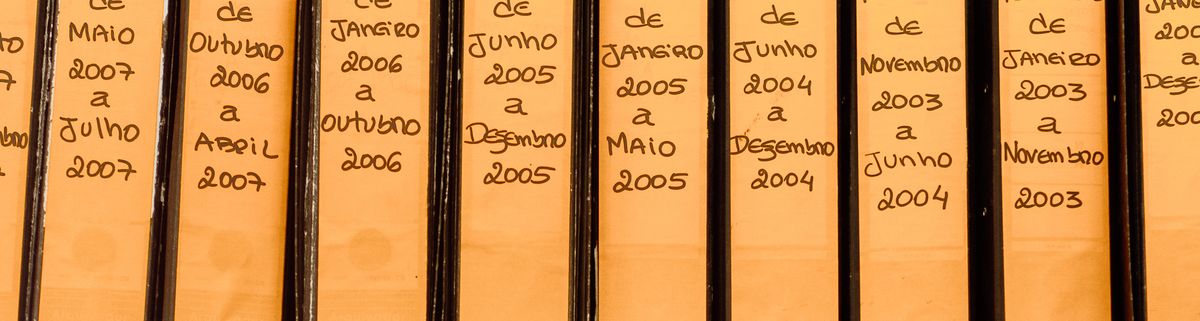
A file is found by walking the room.
The register is a ledger and the folders sit in order of arrival, so finding one of them means reading spines until it turns up. Read the cabinet and the shelf and the location is on screen before anyone stands up.
Why it is hardFinding a file is a location problem, and location needs a read point that knows where it is. A shelf or a compartment is that read point. In a cabinet the useful trick is isolation: the shelves are shielded so the reader hears the compartment that is open rather than every folder in the unit, which is what makes a located answer possible instead of just a present-or-absent one.
Our partThe JNI-FM02M-10SJ file cabinet reads the open compartment with sign-in by face, card or password, and the JNI-TM08 and JNI-TM09 shelves keep a live count on open stock. Together they answer where, not just whether.
Items of value are signed out on trust.
A seal, a stamp or a key leaves the desk against a note, and the note is the only record of who has it. Issue against a badge and every item carries a holder and a time.
Why it is hardA seal, a stamp or a key is exactly the item that needs a credential-bound transaction, because the note on the desk is a record of intent rather than a record of fact. Issuing against a badge writes the holder and the time at the moment of the take, so the audit is a query and every item carries an owner.
Our partThe JNI-K20A and JNI-K30A key cabinets keep that record at the cabinet, which is why the answer survives the person who wrote the note leaving.
The room closes for the count.
A full stock-take means shutting the archive and working through it shelf by shelf, so it happens rarely and finishes as a sample. Read the shelves where they stand and the count runs while the room stays open.
Why it is hardA read-while-standing count is the point of the technology: a handheld reads a shelf in one pass without pulling anything off it, and the room stays open while it does. The count is then current rather than a sample taken on the one day the archive was closed.
Our partThe JMDS65 handheld covers the shelf audit, and the JNR-DSE desktop readers cover the issue desk. Where the folders already carry labels, we design the reading side and the tags stay with your current supplier.
How RFID reads a shelf
An archive is a quiet RF environment, which is good news: no liquid, no motors, no interference, and the main design question is geometry rather than physics. That is why the useful engineering here is isolation and location - a compartment that reads only its own contents, and a shelf that reports where a folder is rather than simply that it exists. Files pair naturally with a per-item identity, so the register and the shelf stop being two different records of the same thing.
- Shielded compartments read one at a time
- Credential-bound issue and return
- Count where it stands
We supply the cabinets, the shelving, the readers and the handheld, and we set the compartments with you so the read matches how the room is actually used.
What goes on the floor

File cabinets
Records held in shielded compartments, with sign-in by face, card or password.
View JNI-FM02M-10SJ


What hardware does this industry usually deploy?
A working configuration for this industry, taken from the equipment listed above. The band column gives the UHF RFID standards the hardware is built to.
| Role on site | Recommended models | UHF band | What it does |
|---|---|---|---|
| File cabinets | JNI-FM02M-10SJ | 902-928 MHz (US) / 865-868 MHz (EU) | Records held in shielded compartments, with sign-in by face, card or password. |
| Shelving | JNI-TM08 · JNI-TM09 | 902-928 MHz (US) / 865-868 MHz (EU) | A live count on open shelves, with a weighing option. |
| Keys and valuables | JNI-K20A · JNI-K30A | 902-928 MHz (US) / 865-868 MHz (EU) | Log issue and return against a badge. |
| Issue desks and handheld | JNR-DSE01 · JNR-DSE03 · JNR-DSE04 · JNR-DSE06 · JMDS65 | 902-928 MHz (US) / 865-868 MHz (EU) | Desktop readers for close-range work, plus a handheld for shelf audits. |
How it runs
- Filing and issue A folder is read as it goes back in and again when it is drawn, so the register and the shelf agree.
- Keys and valuables Issue and return run against a badge, and the cabinet keeps the record rather than the desk.
- Count without closing The shelves are read where they stand, and the count is ready when it is asked for.
Questions we get
Does the cabinet read through the drawer?
Can a record show who took a file?
Do we have to re-label the whole archive?
Tell us what you keep.
Send the number of cabinets and shelves, the volume they hold and how quickly a record has to be produced, and we will come back with a layout.
Email support@jnxrfid.comRelated industries: Supply chain & logistics · Manufacturing & industrial tooling · Healthcare & hospital SPD · Apparel & fashion retail · New energy & utilities · Public sector & public assets · Aviation MRO & ground support · Anti-counterfeiting & traceability · How we deliver
Contact: support@jnxrfid.com · All industry solutions